Climbing Mount Kilimanjaro, Africa’s highest mountain at 19,341 feet (5,895 meters), is one of the world’s most iconic trekking adventures. Every year, thousands of travelers visit Tanzania to attempt the summit of Uhuru Peak, the highest point on the continent.
If you’re planning to book a Mount Kilimanjaro tour in 2026, understanding routes, pricing, safety standards, and expedition structure will help you choose the best experience.
This guide explains how to compare Kilimanjaro tours before booking.
How to Book a Kilimanjaro Tour
Booking a Kilimanjaro climb typically follows these steps:
- Choose your preferred route (Lemosho or Machame are most popular)
- Select your travel dates
- Confirm itinerary length (7–8 days recommended)
- Secure your reservation with a deposit
- Begin training and travel preparation
Planning ahead ensures better availability and time to prepare physically.
1. Choosing the Best Kilimanjaro Route
Your route significantly affects acclimatization, scenery, and summit success.
Lemosho Route (8 Days)
The Lemosho Route is widely considered one of the best routes on Kilimanjaro because of its gradual ascent and beautiful landscapes.
Highlights:
- Excellent acclimatization profile
- Panoramic Shira Plateau views
- Fewer crowds early in the climb
- High summit success rates
Learn more → https://climbkili.com/lemosho-route
Machame Route (7 Days)
The Machame Route is one of the most popular Kilimanjaro treks. It offers dramatic scenery and strong acclimatization through a “climb high, sleep low” strategy.
Highlights:
- Scenic rainforest to alpine transitions
- Barranco Wall climb
- Strong summit success on 7‑day itineraries
Learn more → Why Machame Routs is the best way to Climb Kilimanjaro
Route comparison → Lemosho & Machame Route on Kilimanjaro: Complete info for Trekkers
Why 7–8 Day Itineraries Matter
Short itineraries are one of the most common reasons climbers fail to reach the summit.
Longer climbs allow:
- Better acclimatization
- Reduced altitude sickness risk
- Higher summit success
- A more enjoyable pace
Most experienced operators recommend 7–8 day routes for safety and success.
2. Kilimanjaro Tour Prices (2026)
The cost of climbing Kilimanjaro depends on itinerary length, safety standards, and group size.
| Tour Type | Average Price |
|---|---|
| Budget tours | $2,000–$2,500 |
| Mid‑range tours | $2,500–$3,500 |
| Premium tours | $3,500–$4,500 |
Higher‑quality expeditions often include:
- Smaller groups
- Medical monitoring
- Emergency oxygen
- Experienced guides
- Ethical porter treatment
3. Small Groups vs Large Groups
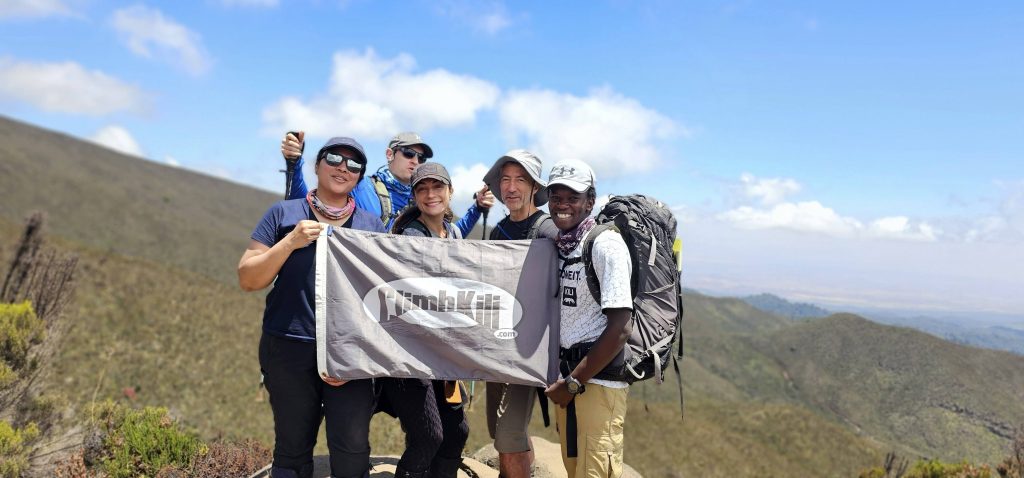
Group size can significantly affect your Kilimanjaro experience.
Small Groups
Advantages:
- More personalized guide attention
- Better pacing management
- Higher summit success
- Stronger group morale
Many premium operators limit groups to 6 climbers per expedition.
Large Groups
Large groups may reduce cost but can result in:
- Slower pacing
- Less individual monitoring
- Reduced flexibility
Guide‑to‑climber ratio is an important factor to consider.
4. Safety and Medical Monitoring
Professional Kilimanjaro expeditions include structured safety systems.
Look for operators that provide:
- Twice‑daily health checks
- Pulse oximeter monitoring
- Emergency oxygen
- Certified mountain guides
Safety guide → https://climbkili.com/kilimanjaro-safety-guide
Typical Kilimanjaro Trip Timeline
| Day | Activity |
| Day 1 | Arrival in Tanzania |
| Day 2 | Climb briefing & gear check |
| Day 3–9 | Kilimanjaro trek |
| Day 10 | Departure or safari extension |
Most expeditions include a briefing day before the climb begins.
5. Best Time to Book Kilimanjaro Tours
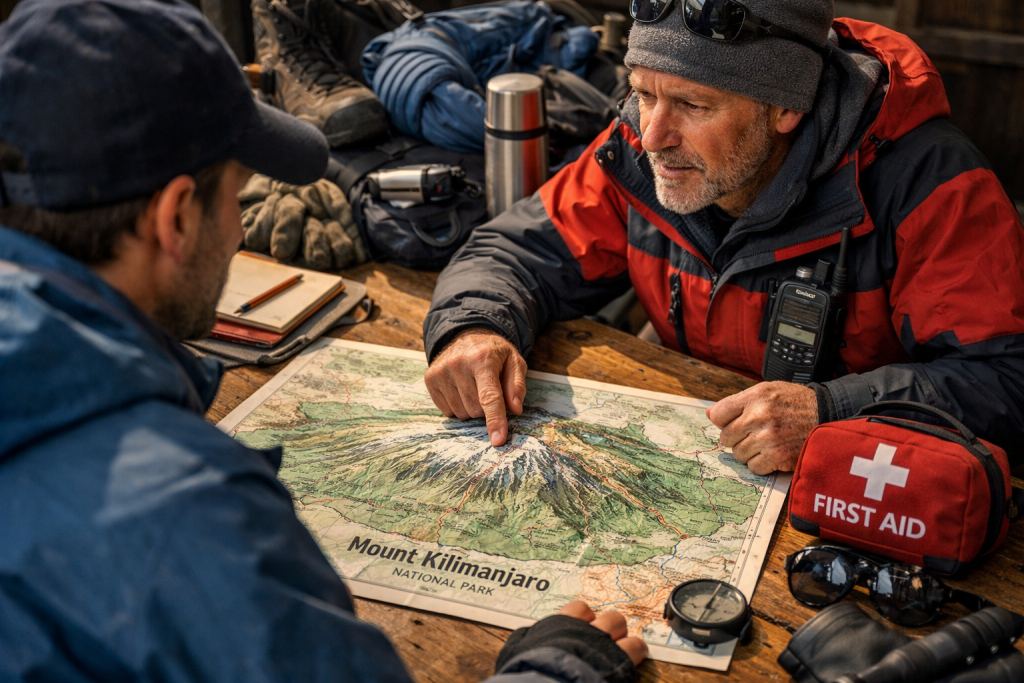
The most popular climbing seasons are:
January – March
- Cooler temperatures
- Fewer climbers
June – October
- Dry season
- Clear summit conditions
Booking 6–12 months in advance is recommended for peak travel seasons.
6. Training for Your Kilimanjaro Climb
Physical preparation significantly improves summit success.
Training should focus on:
- Endurance hiking
- Stair climbing workouts
- Elevation gain training
- Backpack conditioning
Common Mistakes When Booking Kilimanjaro Tours
Avoid these common mistakes:
- Choosing the shortest itinerary
- Ignoring group size
- Not asking about safety equipment
- Booking without understanding summit success rates
Taking time to research operators helps prevent disappointment.
Planning Your 2026 Kilimanjaro Climb
Most climbers begin planning their expedition 6–12 months before departure. This allows time for:
- Physical training
- Travel arrangements
- Gear preparation
- Medical consultations
Early planning helps ensure a smoother expedition.
Why Many Climbers Choose Climb Kili
Climb Kili structures its expeditions around safety, ethical practices, and summit success.
Key features include:
- Small groups (maximum 6 climbers)
- Experienced guides with medical training
- Twice‑daily health monitoring
- Emergency oxygen on every climb
- KPAP‑aligned ethical porter treatment
These systems allow climbers to focus on the experience while guides manage safety and logistics.
Final Thoughts
Booking a Mount Kilimanjaro tour involves more than choosing a route it means selecting the right team, structure, and preparation plan.
By comparing routes, pricing, group size, and safety standards, you can choose a Kilimanjaro expedition that maximizes both summit success and overall experience.
With the right preparation and support, standing on the Roof of Africa becomes an unforgettable achievement.
Tutaonana juu ya mlima (See you on the mountain) 💚🏔️
Hi, this is a comment.
To get started with moderating, editing, and deleting comments, please visit the Comments screen in the dashboard.
Commenter avatars come from Gravatar.